
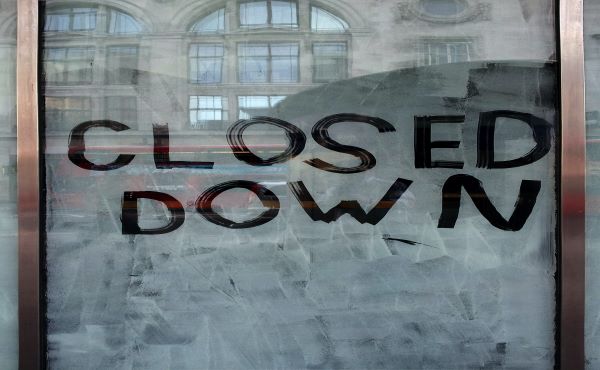
Flowers among weeds
Related stories


CMBS yields value to canny buyers despite distress
In the first of a series of interviews with SCI, investment managers discuss where they have seen most value recently and where they expect to see it in 2022.
Despite - or because of - the continued uncertainties that beset many areas of the CMBS market, this is the sector of the structured finance marker that currently offers the best returns to the discerning investor and will continue to do so next year, according to Karlis Ulmanis, portfolio manager at DuPont Capital Management.
At a time when many investors have been exiting the sector, Ulmanis has increased his CMBS portfolio from $100m to around $140m over the last year. He believes that it will continue to offer buying opportunities in 2022.
Not only that, he has headed right for the areas that many other investors wouldn’t touch with a barge pole - hotels, office space and especially retail.
It is worth noting that this approach marks a sea change from when SCI last caught up with Ulmanis three months ago.
“My alpha has been the best it has for 10 years. My whole CMBS sector has been yielding an average of over 7.5%, which, considering most of it is BBB-rated and investment grade, is pretty high,” he told SCI.
Opportunities arise when other investors get spooked by the distress shown in the some areas of the market and want to get out at any price.
“In 2021, I bought a couple of bonds that yielded 45%. We found an investor that was trying to get out of retail and was prepared to bail at any price. But in fact they were pretty solid bonds, and could tolerate large valuation discounts in the underlying properties and still perform well,” he says.
This is the point: there is no doubt that some loans underpinning CMBS deals particularly in the retail mall, hotel and office areas have suffered losses, but not all are equally distressed. There has been a tendency to throw the baby out of with the bathwater, and deals supported by better loans have been marked down alongside the bad ones. General illiquidity in the sector has not helped.
Retail CMBS is perhaps more troubled than any other area. It is generally believed that Covid has merely accelerated what was a long-term decline, and while the hotel sector, say, might bounce back retail might not.
But this is where Ulmanis sees most openings. “I see bonds with a high percentage of retail collateral. A lot of investors are fearful of these and because of that fear this is where I focus. Investors probably fear retail more than hotels or offices,” he says.
It needs to be stressed, however, that he is not merely snapping up any CMBS bonds which no-one else wants and which happen to be offering currently above market yields. Each loan in the deal is investigated closely. He looks for notes which have collateral where the LTV is generally 55% or lower and the debt to service ratio is two or higher.
Clearly some CMBS deals will incorporate loans which are delinquent, or have higher LTVs or low debt to service ratios. These are accorded a larger discount factor, and then the extent to which the property valuation can be lowered before a loss is realised is calculated.
“The bonds I buy can generally tolerate a risk adjusted valuation decrease of 55%/60% before they hit a loss - which is quite significant,” he says.
He also looks when the last valuation was conducted, and generally sees more value in the older, legacy deals issued eight to ten years ago. Within this segment he targets bonds with lower WALs. These offer a couple of advantages. Firstly, while the retail sector might go belly-up in a decade from now, it is less likely to do so by 2023. Secondly, capital from short-term bonds can be reinvested at a higher rate as coupons tick up - as is widely predicted.
“Last week I picked up a CMBS bond with a short WAL of a year which was yielding 6%. This is 4.5% above the benchmark yield for this sector. I’ve been really surprised to find bonds at such deep discounts,” says Ulmanis.
There are two main reasons why the CMBS sector will continue to find itself under pressure in 2022: the persistence of Covid 19 and inflationary pressures. Neither of these show any sign of being over the horizon any time soon.
Every new strain of Covid, greeted with almost exultant fanfare by news media, is a body blow to the retail, hotel and office sectors of the CMBS market. Investors worry that, for example, that the move to working from home is a permanent one, or that retail malls will never see a meaningful return of foot traffic.
Meanwhile, there is a good chance that inflation might prove to be even worse than it looks currently. The Case Schiller home price index, now renamed the S&P CoreLogic Index, rose fully 19.5% in September.
Meanwhile, growth is only limited and held in place by Covid. The November employment data was much less robust than was hoped. This is seemingly a different type of inflation than has been seen before, driven by supply chain interruptions and labour shortages rather than an overheated economy. The traditional blunt instrument of rate hikes may prove less effective than hoped.
In these conditions, key areas of the CMBS market will continue to be pressured.
“I go to sectors where there is stress to make money, and CMBS offers the best opportunities. I’m not seeing much value in other structured products right now,” he says.